




In the Philippines, purchasing a home is a milestone that many families aspire to have. A dream home that represents their hard work and commitment to building a future. But before anyone should think of buying a home, it’s important to do a house inspection first.
When it comes to purchasing real estate, the importance of property inspection takes center stage in any home buying guide. Taking this extra precaution may delay your sale for a little bit, but it’s a key factor in enhancing your confidence in the property as a buyer and in its long-term value and security. A home that’s been inspected is a guarantee that you know exactly what you’re buying.
Conducting a home inspection is even more important during the rainy season when many hidden issues of property come to light. From leaky roofs to poor drainage and water intrusion, the rainy season often exposes the real condition of a home. A home inspection can give you a clearer picture of your property’s resilience to the weather.
Steps to Conduct a Property Inspection
It will be easier to appreciate the importance of house inspections when you understand what we look at. While it’s advisable to have an expert to help you check the property you want to purchase, it’s good to have some idea how to conduct a property inspection yourself. Here’s a guide:
1. Hire a Qualified Inspector – Find a licensed professional with experience in property inspections. Ask for credentials, certifications, and references to make sure that you’re hiring someone who knows what they’re doing.
2. Schedule the Inspection – Arrange a convenient time for both the inspector and the seller. Ensure that everyone has access to all areas of the property, including basements, attics, and exterior structures. If possible, schedule the inspection during or right after heavy rain during or after heavy rain to identify leaks and drainage issues.
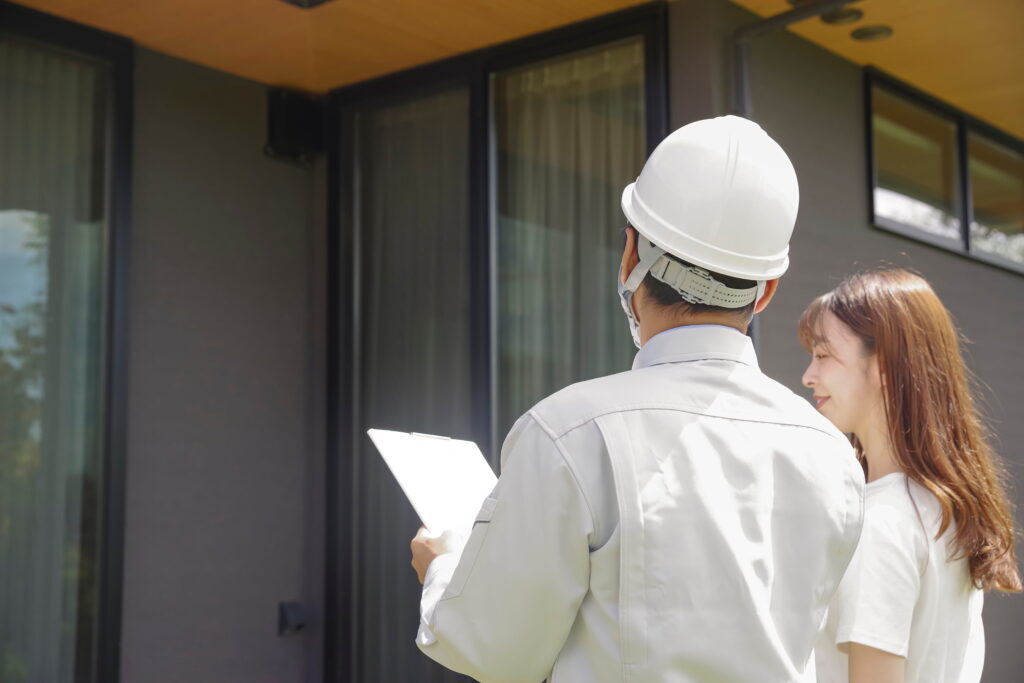
3. Attend the Inspection – Being present during the inspection allows you to ask questions, observe potential issues firsthand, and better understand the condition of the home.
4. Review the Report – After the inspection, carefully examine the detailed report that the qualified inspector has provided. This document will typically include photographs, explanations of defects, and recommendations for repairs or further evaluation.
5. Negotiate if Necessary – If the property has significant problems, discuss potential repairs or price adjustments with the seller. Buyers can request that issues be resolved prior to the sale or negotiate a reduced price to account for necessary improvements.
6. Conduct a Follow-Up Check – For major concerns, consider performing a re-inspection after the repairs are completed. A follow-up ensures that all issues were properly addressed before finalizing the transaction.
Why is Property Inspection Important?
As you can see, a property inspection requires a critical eye and may take a while. Why is it a wise step to conduct a property inspection before sealing the deal?
Uncover Hidden Details About the Property
Why is a house inspection important? Well, at first glance, a property might appear flawless, but an in-depth check reveals even more value by spotting opportunities early.
A lot of factors that can make or break a deal are not easily visible. You or an expert needs to check specific areas to ensure the quality of the property. You could also ask the seller about these things:
- Structural Strength: Confirm solid foundations and framing for long-term stability.
- Plumbing: Ensure leak-free pipes and efficient water flow.
- Electrical Systems: Verify safe, up-to-code wiring for worry-free living.
Taking the time to do a comprehensive inspection can reveal the strengths as well as potential issues, which allows you to make an informed decision about the property. Identifying the property’s strengths and potential weaknesses can also offer you leverage during price negotiations or give you time to request that the necessary repairs be done before closing the deal.
Safety and Compliance Reasons
When you’re building a home for your family, safety should be the first thing on your checklist. Inspections verify that the property you’re planning to buy adheres to local building codes and safety standards. This includes checking for proper electrical wiring, secure staircases, and the absence of hazardous materials.
Making sure that your new place is compliant doesn’t just protect you as a homeowner, but it also reduces property risks in the future.
Evaluate Structural Strength
Whether you’re buying a new quadruplex home or an old bungalow, inspecting the strength of its foundations should be a priority. The foundation, walls, and roof are critical components of a home’s structure. Property inspectors evaluate these elements to make sure that they’re up to code and free from defects such as cracks, water damage, or uneven settling.
During the rainy season, signs of water infiltration, such as stains on ceilings and walls or mold growth, can highlight major structural weaknesses. Identifying these issues early can prevent costly repairs and ensure the safety and livability of your home.
Assess Plumbing and Electrical Systems
Functional plumbing and electrical systems are essential for daily living. Inspectors assess drainage, the condition of pipes, and the presence of any leaks or corrosion. During the rainy season, plumbing issues like backflow, slow drainage, or pipe bursts can turn up.
On the electrical side of things, inspectors must check the functionality of outlets, switches, lighting fixtures, circuit breakers, and grounding, which is crucial in damp environments to prevent hazards like electrocution or fire.
Locate Pest Infestations
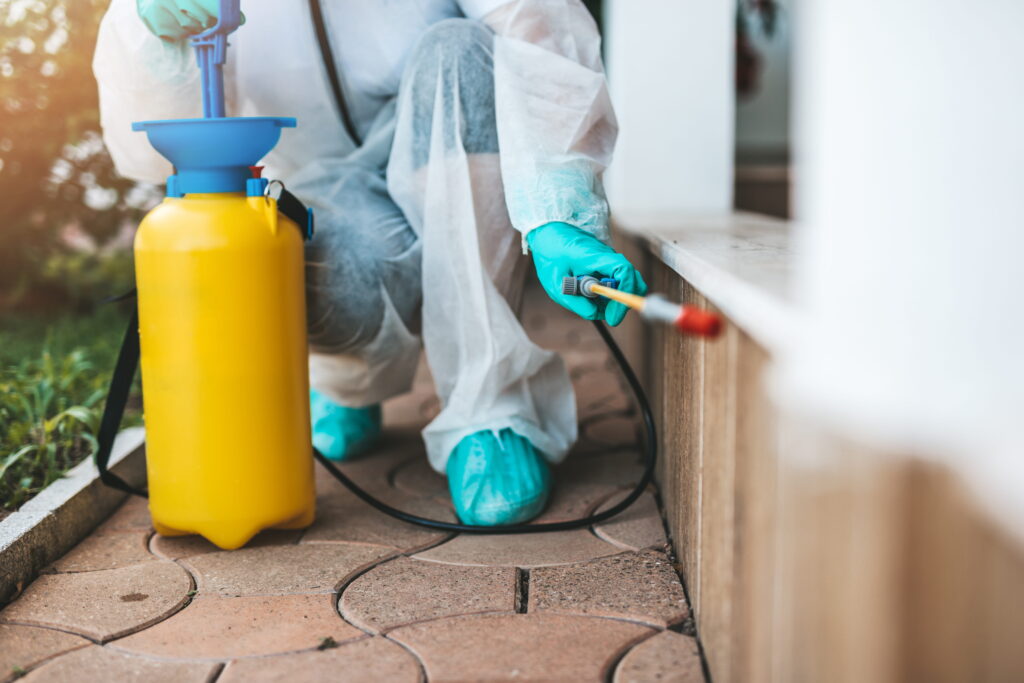
Termites, rodents, and other pests can cause significant damage to a property. A home inspector checks for signs of infestation like droppings, nests, or hollowed-out wood. Moist environments during the rainy season can also attract pests seeking shelter.
Addressing pest problems before purchasing the property can help you avoid long-term damage and maintain the value of your property.
Verify Legal Documentation
Beyond the physical aspects of purchasing a home, property inspections also involve reviewing legal documents. This includes verifying the authenticity of the land title and ensuring there are no encumbrances or pending legal disputes. It also includes confirming that the property’s boundaries are accurately defined through updated land surveys.
Verifying legal documents before purchasing the home protects you from future ownership issues.
Buying a Home with Confidence
Clearly, the importance of property inspection shouldn’t be belittled. This task safeguards buyers from unforeseen problems, ensures the property’s safety and legality, and provides peace of mind. While it may need a little bit more time and investment from you, it’ll definitely save you a lot of headaches in the long run.
Now that you know this important step in buying a home, why not explore pre-selling houses in Cavite and start planning your new home? Explore your options at Minami Residences.